
Straighten your teeth without metal braces. Invisalign uses clear, removable aligners that gradually move your teeth into position over 12-18 months. Most people won’t even notice you’re wearing them. They’ll just notice your smile getting better.
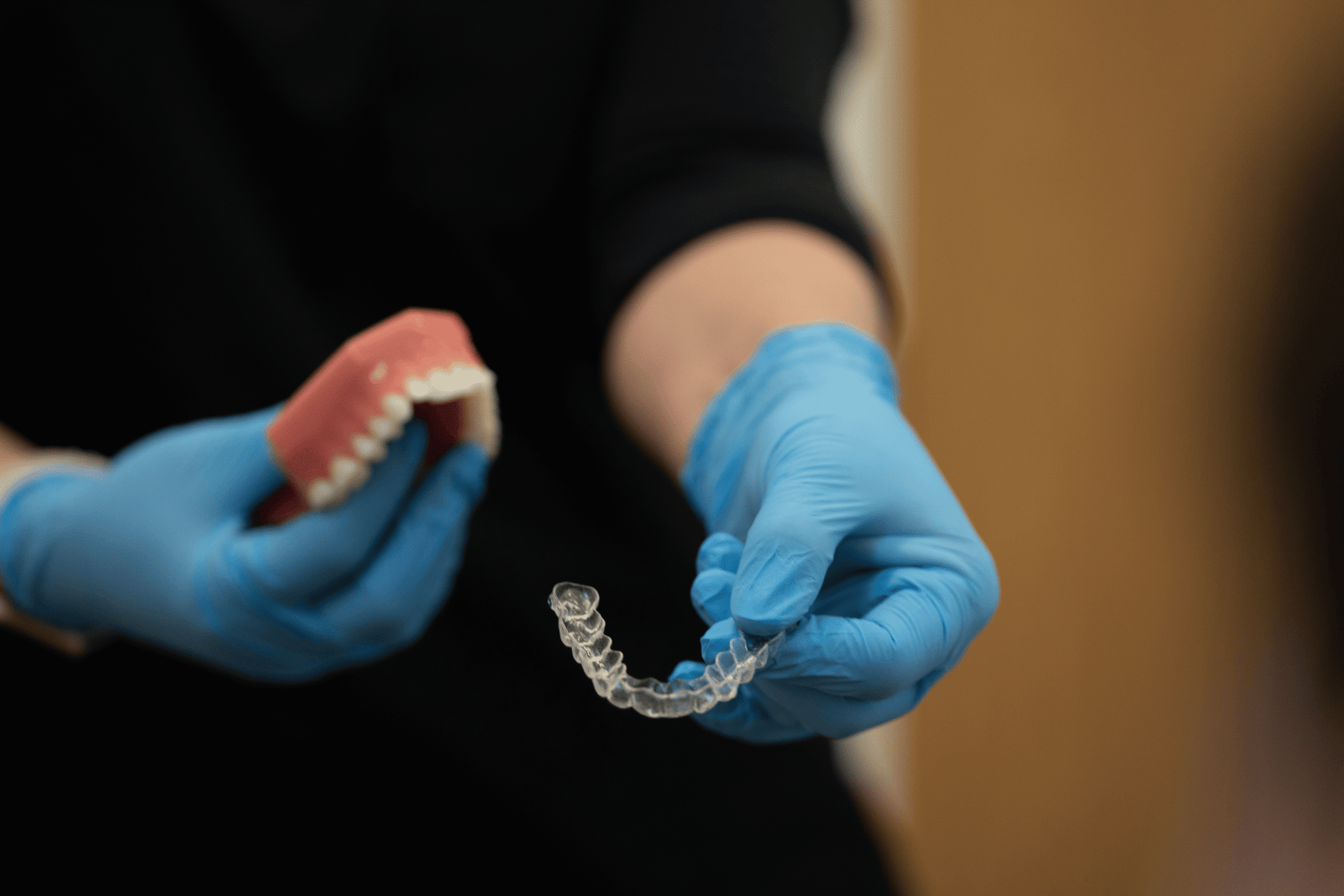
Invisalign straightens teeth using a series of clear plastic aligners custom-made for your mouth. Each aligner is worn for about two weeks before moving to the next in the series. Gradually, your teeth shift into their planned final positions.
The aligners are made from smooth, comfortable plastic that won’t irritate your cheeks or gums like metal braces can. They’re removable, so you take them out for eating, drinking anything other than water, and cleaning your teeth. Most people wear them 20-22 hours per day.
At our Canterbury practice on London Road, we use iTero digital scanning to create 3D models of your teeth. This technology eliminates uncomfortable traditional impressions and shows you a preview of your potential results before you commit to treatment.
Invisalign effectively treats a wide range of orthodontic problems. Here are the major issues we regularly correct.
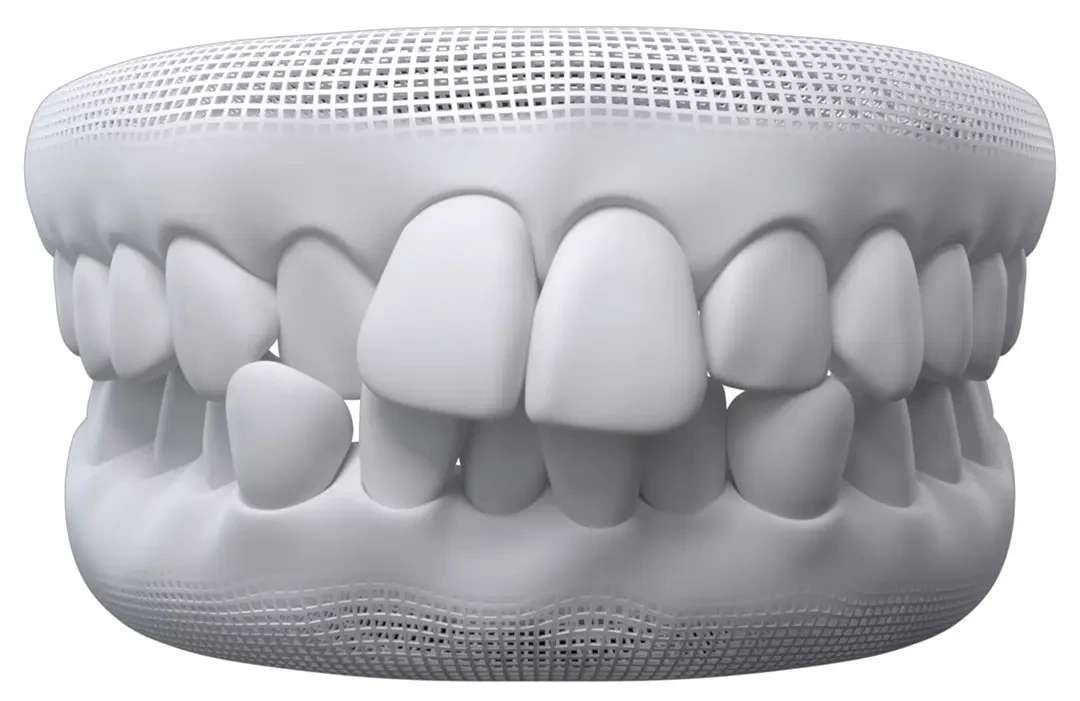
When there isn't enough space in your jaw for all your teeth to fit normally, they overlap, twist, or push forward and backward. Crowded teeth are difficult to clean properly, increasing your risk of decay and gum disease. Invisalign gradually creates space and aligns crowded teeth into proper positions.
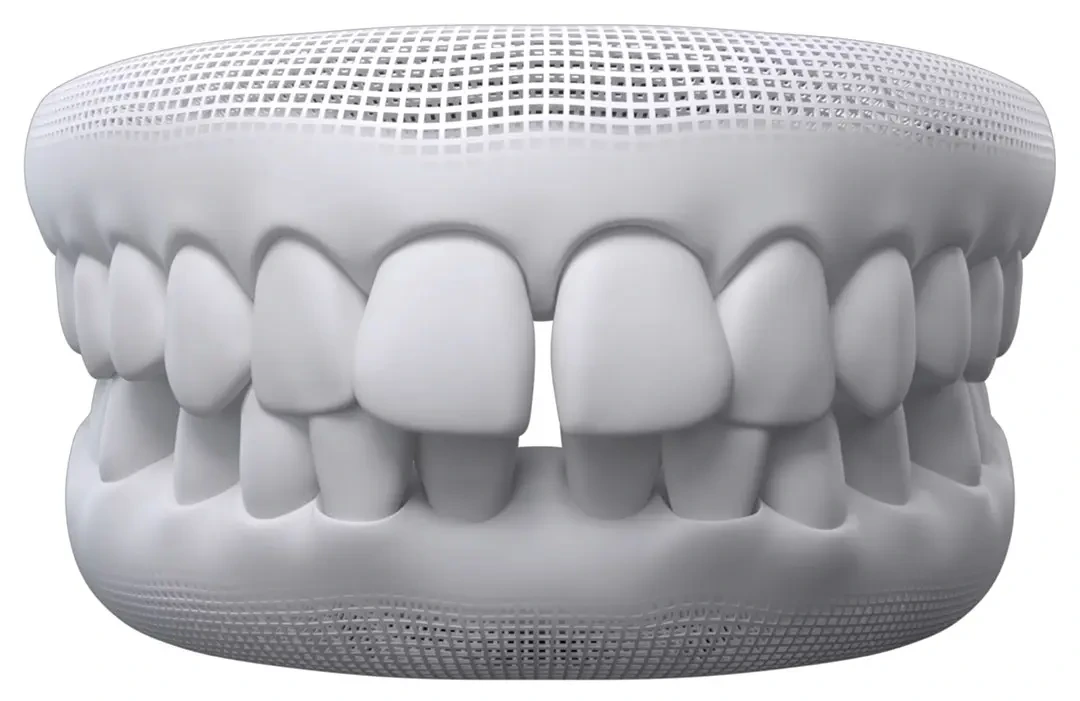
Spaces between teeth occur when there's extra room in your jaw, missing teeth, or when teeth are naturally small. Whilst some people like a small gap between front teeth, larger gaps can affect how you bite and chew, trap food, and make you self-conscious. Invisalign closes gaps by bringing teeth together gradually.
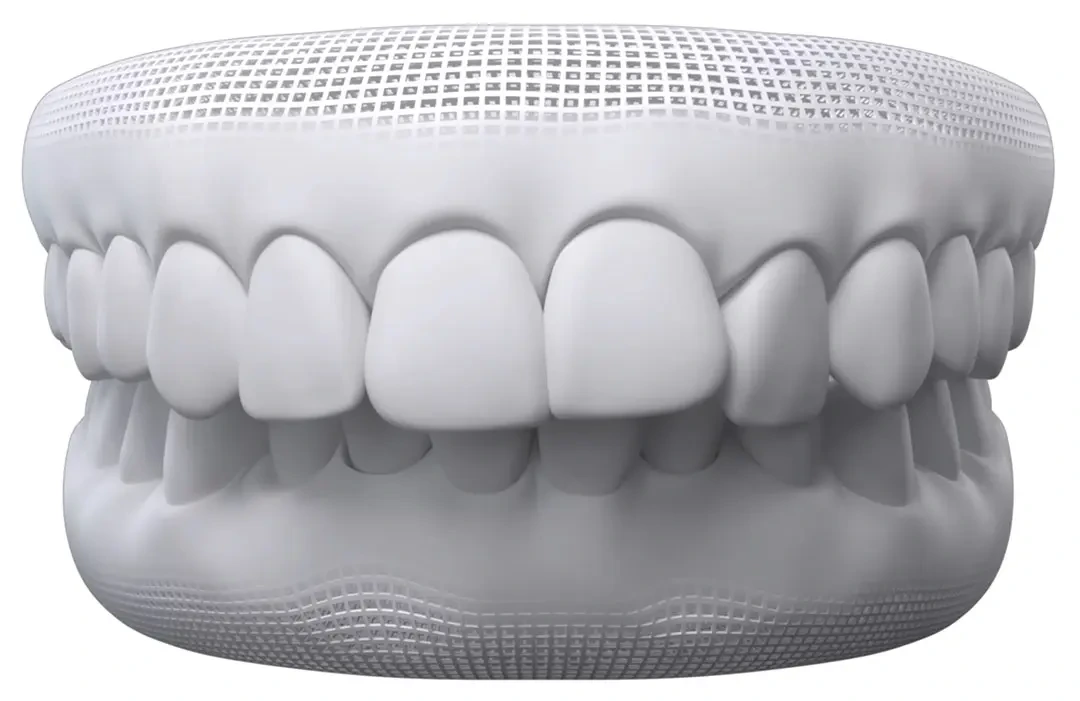
An overbite occurs when your upper front teeth overlap your lower front teeth excessively. Some overbite is normal, but when it's severe, it can cause wear on your lower front teeth, jaw pain, and even damage to the roof of your mouth. Invisalign corrects overbites by gradually repositioning both upper and lower teeth into proper alignment.
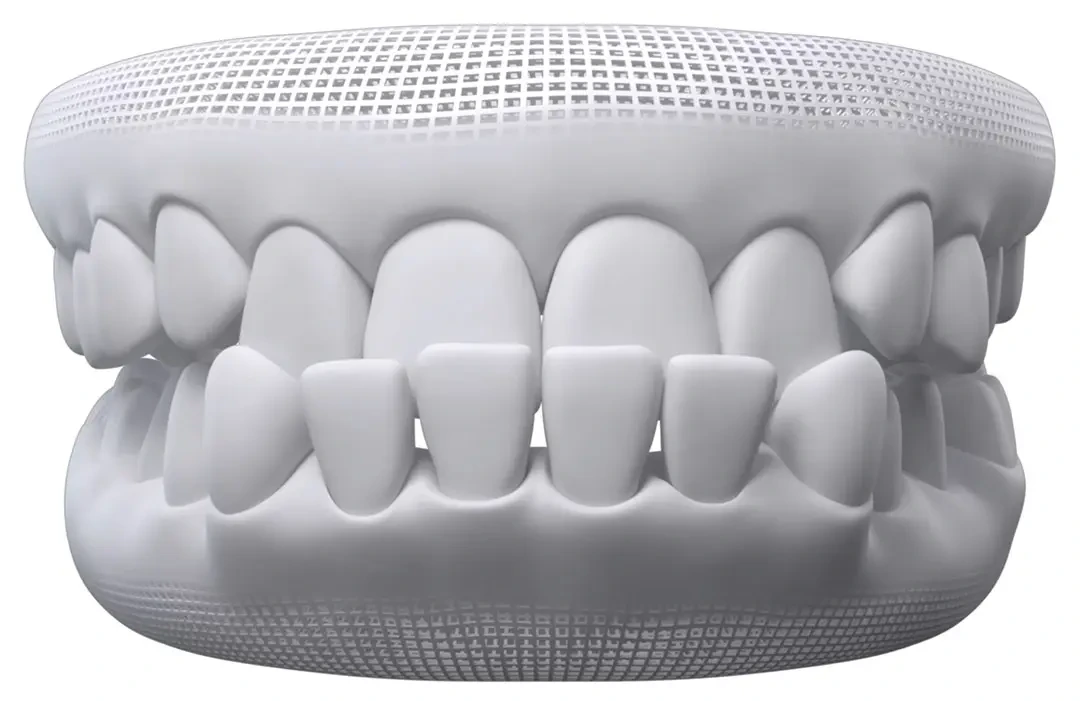
An underbite is when your lower front teeth sit in front of your upper front teeth when you bite together. This can make chewing difficult, cause uneven tooth wear, and affect your facial profile. Invisalign treats mild to moderate underbites by moving your upper teeth forward and lower teeth back.
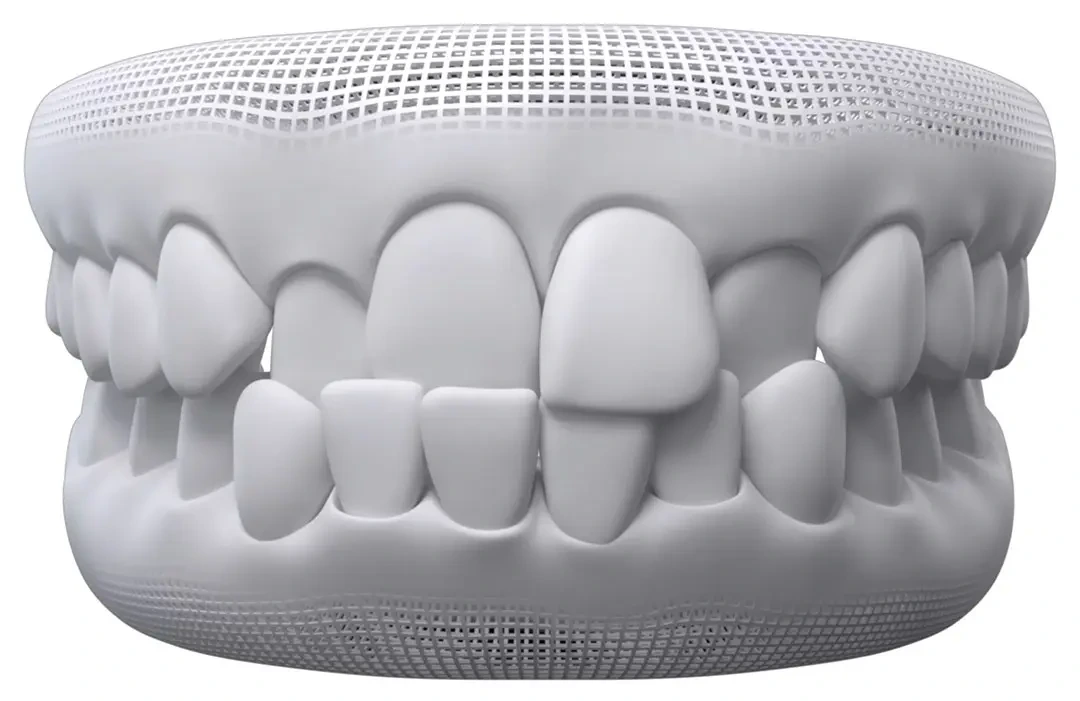
A crossbite occurs when some upper teeth sit inside your lower teeth when you bite together instead of outside them. This can happen on one side or both sides of your mouth, causing uneven jaw growth, worn teeth, and gum recession. Invisalign corrects crossbites by expanding your upper arch and aligning individual teeth properly.
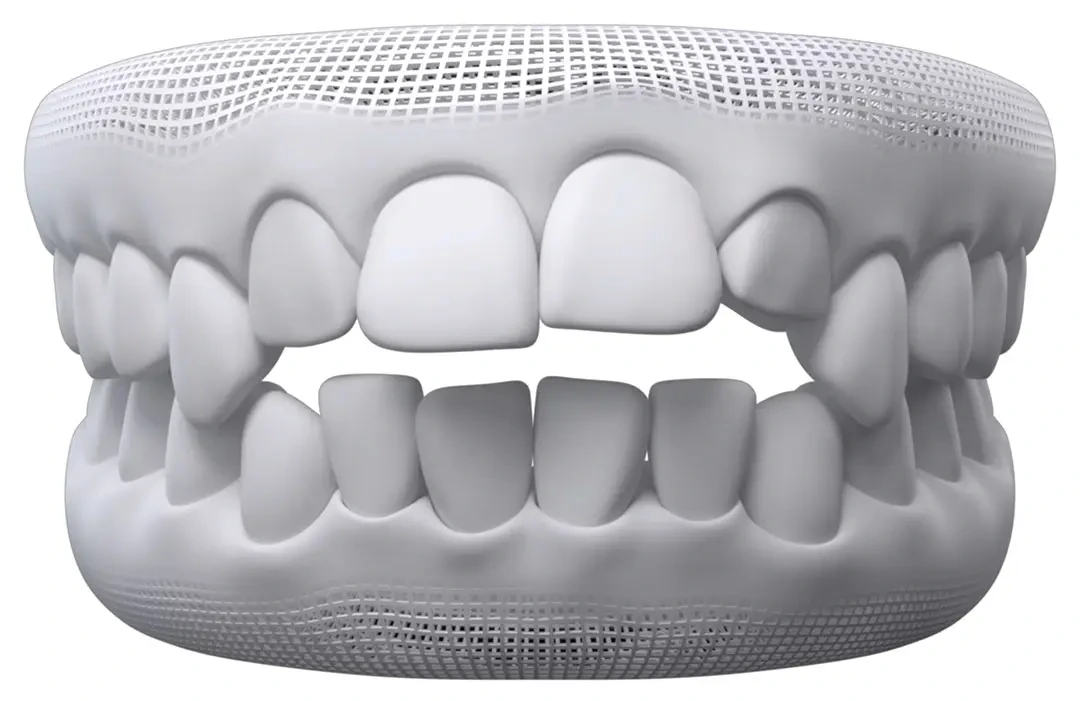
An open bite means your upper and lower front teeth don't touch when you bite down, leaving a gap between them. This makes biting into foods difficult and can be caused by thumb-sucking habits in childhood or tongue thrusting. Invisalign closes open bites by moving front teeth into proper contact with each other.
Not sure if Invisalign can fix your specific issue? Book a free consultation where we’ll assess your teeth and explain whether Invisalign is right for you or whether another treatment would work better.
Nearly invisible: Clear aligners are virtually undetectable. Most people won’t notice you’re wearing them unless they’re very close to you. Perfect for adults who want straight teeth without the obvious appearance of metal braces.
Remove them for important events: Job interview? Wedding photos? Date night? Simply remove your aligners for a few hours. You control when you wear them, though compliance is crucial for results. You need to wear them 20-22 hours daily.
Eat whatever you want: Unlike fixed braces with food restrictions, you remove Invisalign for meals. Eat steak, apples, popcorn, and sticky foods. Nothing is off-limits. Just brush before putting aligners back in.
Easier oral hygiene: Remove aligners to brush and floss normally. No navigating around brackets and wires. This means healthier teeth and gums throughout treatment.
More comfortable: Smooth plastic won’t irritate your cheeks or gums like metal brackets and wires. No emergency appointments for broken wires poking your mouth.
Fewer appointments: Check-ups every 6-8 weeks versus monthly tightening appointments with braces. We give you several sets of aligners at once to use at home, reducing the number of visits needed.
Preview your results: Using iTero digital scanning, we show you a simulation of how your teeth will move and what your final smile could look like. You see the potential outcome before committing to treatment.
Predictable timeline: Most adult cases complete in 12-18 months. Complex cases may take longer, but you’ll know the expected duration before starting.
We examine your teeth, discuss what bothers you about your smile, and assess whether Invisalign can achieve the improvement you’re hoping for. We’ll be honest if another treatment would serve you better.
Using our iTero digital scanner, we take 3D images of your teeth. No messy impressions needed. Within minutes, you can see a simulation of how your teeth might look after treatment. This isn’t a guarantee, but it helps visualise possibilities. You’ll receive clear pricing including the full treatment cost with no hidden fees.
If you proceed, we send your scans to Invisalign who creates a detailed treatment plan showing exactly how your teeth will move at each stage. We review this plan carefully, making adjustments if needed to optimise your results. Once we approve the plan, your custom aligners are manufactured.
When your aligners arrive (typically 2-3 weeks), you return for a fitting appointment. We show you how to insert and remove aligners, provide your first several sets, and explain the wearing schedule. You’ll wear each aligner for about two weeks before progressing to the next.
Some teeth may have small tooth-coloured “attachments” bonded onto them. Tiny bumps that help aligners grip and move teeth more effectively. These are removed at the end of treatment.
We monitor your progress every 6-8 weeks, checking teeth are moving according to plan. Each visit takes 15-20 minutes. We give you your next sets of aligners to use at home, so you don’t need to return every two weeks.
Once your teeth have reached their final positions (typically 12-18 months), you’re finished with aligners. To keep teeth from shifting back, you’ll wear a retainer, usually at night only. Retainers are essential for maintaining your new smile permanently.
How much does Invisalign Cost in Canterbury
Invisalign treatment at A1 Dental Surgery costs £[price range] depending on case complexity and treatment duration. Simple cases cost less than complex cases requiring longer treatment.
What’s included: Free consultation with iTero digital scanning, full treatment plan with virtual preview, all aligners needed to complete treatment, regular progress check-ups (typically every 6-8 weeks), attachments and any refinements needed, and retainers at the end of treatment.
Interest-free payment plans available: We offer payment plans over 12-24 months to make Invisalign accessible without waiting years to save the full amount. Many patients spread costs at approximately £[monthly amount] per month.
Call 01227 765 851 for an exact quote based on your specific situation and to discuss payment options.
We take the time to understand your medical history, assess your dental health, and create a treatment plan that works for your budget and timeline. Your smile is your story, and every story deserves individual attention.
Dr Banvir's MSc in Aesthetic & Restorative Dentistry represents specialist-level training you'd typically need referrals to access. His three years working in Maxillo-Facial Surgery means he's handled complex cases most general dentists never see.
Digital X-rays with minimal radiation. Intraoral cameras so you can see exactly what we're seeing. Comprehensive record-keeping that tracks changes over time. We invest in technology because it genuinely improves your experience and treatment outcomes.
Generations of Canterbury families have trusted us with their dental health. That kind of loyalty doesn't come from flashy marketing. It comes from delivering quality care consistently over decades.
Dental anxiety is far more common than you think. We work at your pace, explain everything before we begin, and create an environment where you feel in control. Many of our most nervous patients now attend regular check-ups without that familiar dread.
Looking for a dentist you can actually stick with?
Registering with A1 Dental means your care is planned properly, explained clearly, and delivered consistently over years. Not patched together across disconnected appointments at different practices.
Your first visit focuses on understanding your story. We assess your dental health, discuss your goals and concerns, and map out a realistic treatment plan that respects both your timeline and budget.
What registration means:
Most adult cases complete in 12-18 months. Simple cases (minor crowding or small gaps) may finish in 6-12 months. Complex cases (severe crowding, bite issues) can take 18-24 months.
Your specific timeline depends on how much movement your teeth need. During your free consultation, we'll give you an estimated treatment duration for your case.
Invisalign doesn't hurt like people imagine braces hurting. When you switch to a new aligner, your teeth will feel pressure and slight soreness for 1-2 days as they begin moving. This is normal and indicates the aligners are working.
The discomfort is mild. Most people manage with over-the-counter painkillers if needed. By day three with each new aligner, any soreness has typically resolved.
Invisalign at A1 Dental Surgery costs £[price range] depending on case complexity. Simple cases cost less than complex cases requiring longer treatment.
We offer interest-free payment plans over 12-24 months, making treatment approximately £[monthly amount] per month. This includes consultation, all aligners, check-ups, and retainers.
Call 01227 765 851 for a quote for your situation.
No, you must remove aligners for all eating and drinking except water. Food particles trapped under aligners against your teeth can cause decay. Hot drinks can warp the plastic.
Remove aligners before meals, eat normally, brush your teeth, then put aligners back in. This is one of Invisalign's major advantages. No food restrictions like with fixed braces.
Contact us immediately on 01227 765 851. If you've been wearing the aligner for less than a week, go back to your previous aligner. If you've worn it for over a week, move forward to your next aligner.
We can order replacement aligners if necessary, though this adds a few weeks to treatment. Keep your previous aligner set as backup in case you lose your current set.
Invisalign can treat a wide range of orthodontic issues, from simple to complex. However, some severe cases are better suited to traditional fixed braces which offer more precise control over tooth movement.
During your consultation, we'll honestly assess whether Invisalign can achieve the results you want or whether traditional braces would serve you better. We've treated hundreds of Invisalign cases and understand which situations work well with clear aligners.
You need to wear your aligners 20-22 hours per day for treatment to work effectively. This means you're only removing them for eating, drinking (anything except water), and cleaning your teeth.
Some patients think they can wear aligners less and extend their treatment accordingly. This doesn't work. Teeth need consistent pressure to move predictably. Less wearing time means poor results, not just slower results.
You might have a slight lisp for the first 2-3 days when you start wearing aligners or switch to a new set. This is because your tongue needs to adapt to the presence of the aligners in your mouth.
Most people find their speech returns to normal within a few days. Practising speaking aloud helps you adapt more quickly. Very few people experience ongoing speech issues with Invisalign.
Technically yes, but we strongly discourage it. Smoking whilst wearing aligners will stain the clear plastic yellow, making them highly visible. The heat from smoking can also warp the plastic, affecting how aligners fit and how well they work.
If you smoke, remove your aligners first. However, this reduces your wearing time, which compromises treatment effectiveness. Many patients use Invisalign treatment as motivation to quit smoking.
Orthodontic treatment on the NHS is primarily available for children and teenagers with severe alignment issues that affect function (eating, speaking, oral health). Adults rarely qualify for NHS orthodontics unless there are exceptional circumstances.
Invisalign is considered a private cosmetic treatment and isn't typically available on NHS. All our Invisalign treatment is private, but we offer interest-free payment plans to make it more affordable.
Our practice is centrally located on London Road in Canterbury (near Canterbury East Station with on-site parking), making us easily accessible for consultations and regular check-ups throughout your Invisalign journey, whether you're local or travelling from Deal, Dover, or Ramsgate.